What a portable handheld electric bed vacuum cleaner is actually for
A portable handheld electric bed vacuum cleaner is one of those products people usually look at only after a practical problem appears: dust on bedding, crumbs on upholstery, pet hair on a sofa, or the constant need for quick cleanup in a small space. The category sounds simple, but the buying decision is not. Customers are rarely choosing only a cleaner. They are choosing between corded convenience and cordless mobility, between compact storage and stronger day-to-day usability, and between a unit that looks neat on the shelf and one that is genuinely easy to live with.
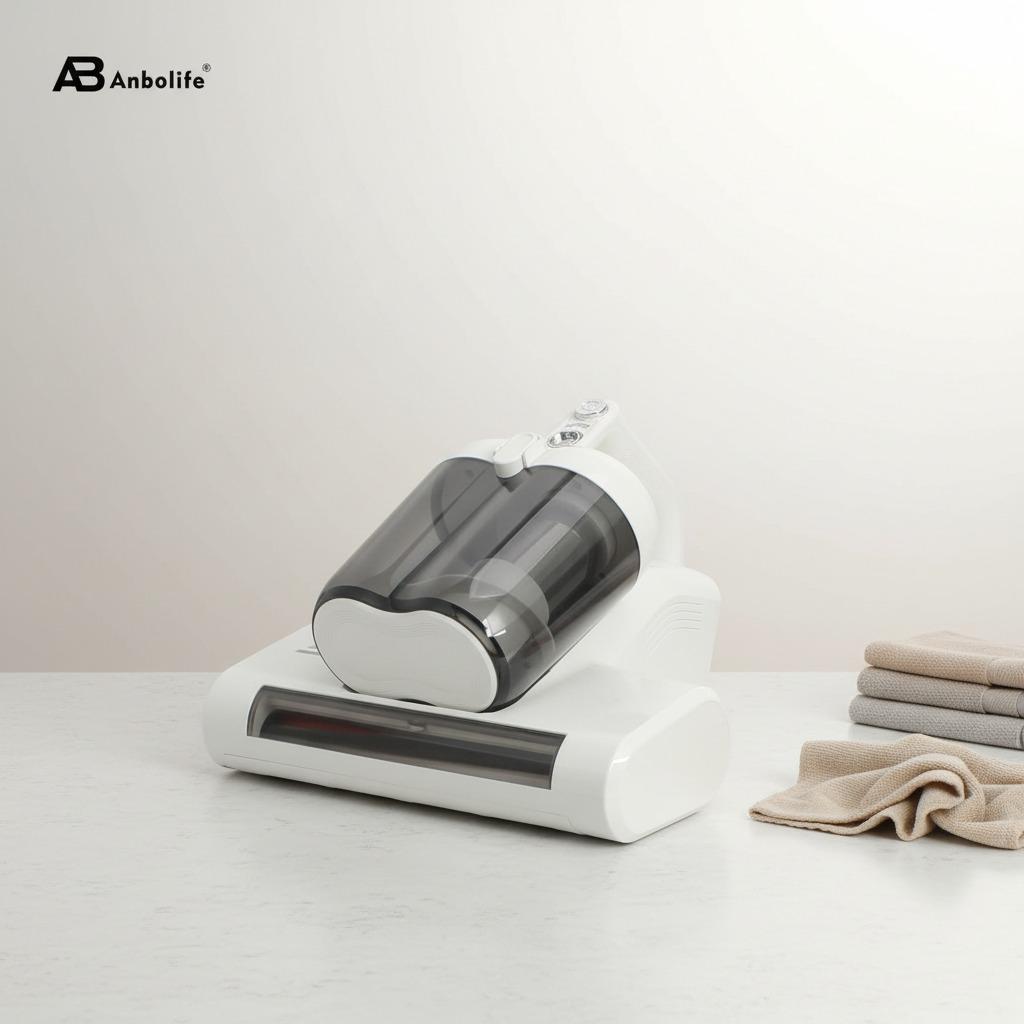
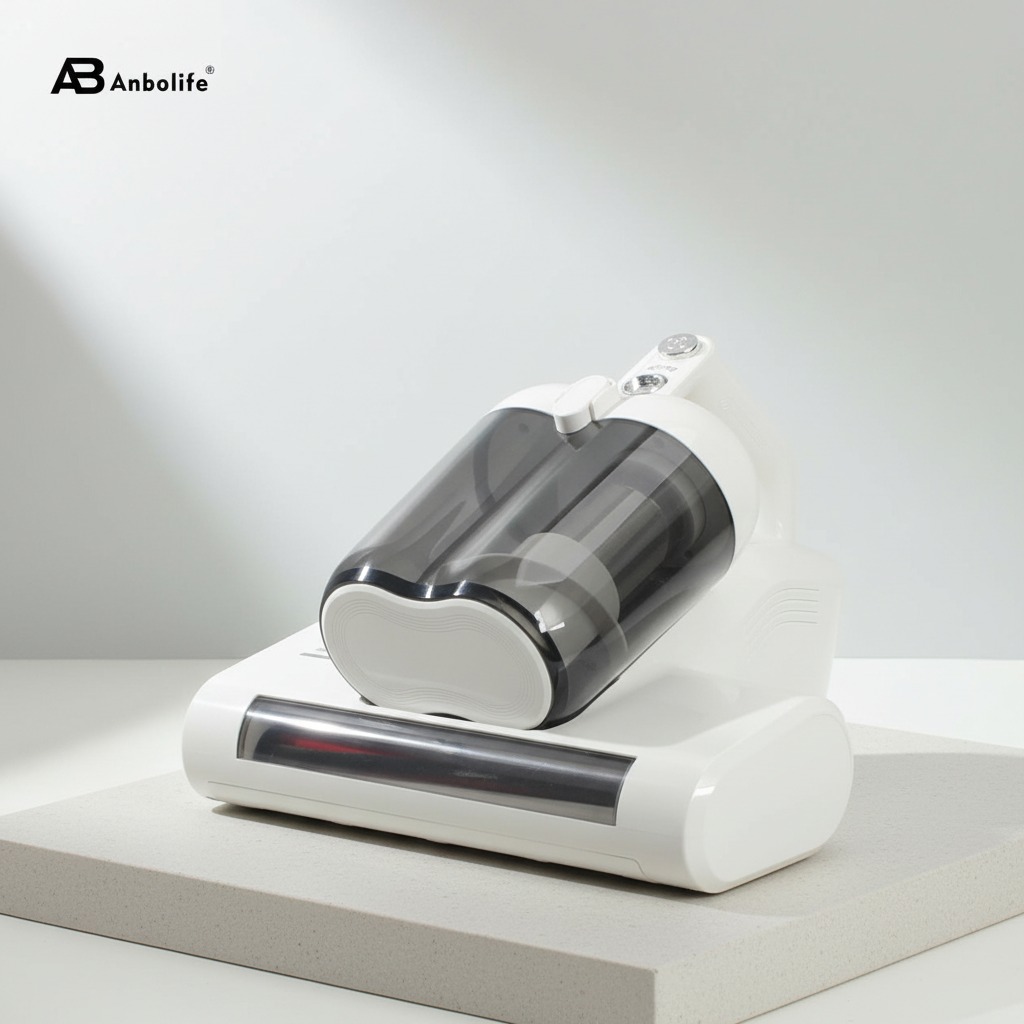
From the visible product structure, the unit in question appears to be a compact handheld electric cleaning device with a white molded housing, a dark translucent collection chamber or cover, and a base or dock for standing storage. That combination points to a design philosophy common in small household appliances: keep the footprint small, show the user when the chamber needs attention, and make the product easy to park after use. For sourcing managers and product teams, those are not cosmetic details. They affect assembly, serviceability, tooling, and even the return rate if the design is awkward in daily use.
Quick takeaways for buyers
If you are evaluating this kind of cleaner for retail, private label, or category expansion, the main decision is not “does it vacuum?” but “does it fit the use case the customer actually has?” Bed and fabric cleaning asks different things from a product than floor debris pickup does. A device used on mattresses and upholstery needs reasonable handling comfort, a chamber that can be checked quickly, and a form factor that does not feel bulky when moved across seams, corners, and cushions.
The visible base unit is also worth noting. A dock or stand can help with storage and presentation, especially in a home appliance aisle or ecommerce listing image. It can also make the product feel more complete, but it adds another subassembly, another molded part, and another point where fit and finish matter. That trade-off is worth thinking through early, not after a sample is already tooled.
What the visible construction tells us about manufacturing
This product appears to rely on standard consumer-appliance construction methods: injection-molded plastic housing, a transparent or tinted chamber section, and internal electrical components integrated into a compact main body. That is typical of handheld cleaners because the design has to balance low weight, clean appearance, and the ability to hide motors, switches, wiring, and dust-handling parts inside a tight shell.
The glossy white plastic body suggests a smooth exterior finish intended for a domestic setting rather than a rugged industrial environment. The smoked or clear translucent chamber is useful for visual inspection. Buyers often underestimate how much that matters. When the user can see dust collection, they are more likely to perceive the cleaner as working. That visual feedback can improve satisfaction even before a spec sheet is read.
There are also visible metallic contacts or fasteners near the top rear section, which may relate to electrical connection, retention, or assembly. Without a full teardown, it would be unwise to guess their exact function. Still, those details matter to manufacturers because visible metal elements can influence both the product’s perceived quality and the assembly sequence.
Portable handheld electric bed vacuum cleaner versus other compact cleaners
Not every compact cleaning appliance serves the same purpose. A handheld bed vacuum is usually expected to handle soft surfaces, light debris, and quick spot cleaning. A stick vacuum may cover broader floor areas more efficiently. A small tabletop cleaner or upholstery tool may specialize in tight areas but feel too limited for routine home use. A docked handheld cleaner sits somewhere in the middle: easy to grab, easy to store, and suitable for short cleaning tasks that do not justify pulling out a full-size machine.
For sourcing teams, the practical question is where the product sits in the range. If it is positioned as a bed vacuum, the marketing should reflect fabric and mattress use rather than implying universal floor-cleaning capability. If it is shown in use on floors as well, the product design should support that use case honestly. Overstating the application usually causes trouble later. Customers notice when a product looks like one category and performs like another.
Selection criteria that matter in the real world
Ergonomics and handling
Handheld products are judged quickly, often in seconds. The handle angle, the balance of the body, and the grip surface all affect whether the user can move the cleaner naturally over a mattress or sofa. A compact housing is good, but not if it forces the wrist into an awkward position. Buyers should ask for sample handling tests, not just technical drawings.
Dust visibility and chamber access
A transparent or translucent chamber is not just a styling feature. It helps the user understand when cleaning is actually occurring and when emptying is needed. Chamber access should be simple and mess-resistant. If the dust path is hard to open or awkward to clean, the product may look elegant on day one and frustrating by day thirty.
Base or docking design
The standing base shown in the image suggests a storage-oriented format. That can be a strong selling point in a home environment because the unit stays organized and visible rather than being tossed into a closet. But a dock also needs stable geometry. A weak base creates a wobble that can undermine trust in the product, especially if the cleaner is relatively lightweight.
Corded operation
The visible power cord indicates corded operation, at least in this version. That can be an advantage for consistent runtime and potentially simpler internal architecture. It also removes battery aging from the equation, which matters to some buyers. The practical downside is obvious: cord management. For bed and upholstery cleaning, the cord length and placement become part of the user experience, not a side note.
What buyers should ask before placing an order
Before committing to a portable handheld electric bed vacuum cleaner, buyers should request clarity on the actual function, not just the appearance. Is it intended primarily for mattresses and fabric surfaces, or is it also meant for floors? Is the chamber designed for dry debris only? Does the stand serve only storage, or also charging or electrical contact? These questions sound basic, but they prevent expensive assumptions.
It is also wise to ask about service access and spare parts, especially for components that wear out in household appliances: switches, cords, filters, seals, and chamber latches. The provided product information does not confirm exact filter design or cleaning modes, so those details should be verified with the supplier rather than inferred from the housing alone.
Another practical caution: visual compactness does not always mean low weight. A product can look small and still feel clumsy if the internal motor, housing walls, or base assembly are not well balanced. Request a physical sample where possible. Photos only tell part of the story.
Common mistakes in procurement and product development
One common mistake is treating a handheld cleaner like a commodity appliance with no need for detailed user testing. In reality, the product’s success often depends on small decisions: button placement, chamber release force, cord exit angle, and how easily the unit stands in its dock. These details can decide whether a customer uses it weekly or leaves it in the corner.
Another mistake is overpromising performance claims before the design is locked. Since the visible information here does not confirm suction power, dust capacity, or noise level, those figures should not be assumed, printed, or advertised until validated. The same caution applies to battery claims, because this appears to be corded, and that distinction should not be blurred in marketing materials.
A third mistake is failing to align the product image with the use case. If the cleaner is sold as a bed vacuum, the packaging and listing should show bedding, cushions, and upholstery. If the actual cleaner is more general-purpose, the naming should be broad enough to avoid confusing the customer. Mismatched positioning leads to returns, and returns are expensive in small appliances.
Practical advice for engineers and sourcing teams
Engineers should pay attention to sealing around the transparent chamber, structural rigidity in the body shell, and how the base supports the unit without stressing the cord. The photo suggests a straightforward molded assembly, which is good for manufacturability, but simple-looking products can hide tolerance stack-up problems. A small gap, latch mismatch, or loose stand fit can become a quality complaint that shows up in the first week of ownership.
Sourcing teams should ask suppliers for a breakdown of the plastic materials used in the opaque and translucent sections, the assembly method for the chamber, and the verification steps used before shipment. None of that is exotic, but it is the sort of detail that separates a reliable small appliance from one that looks acceptable in a catalog and disappoints on a customer’s nightstand.
For product managers, the strongest angle may be ease of use rather than raw technical claims. Consumers buying this kind of appliance usually want fast cleanup, visible dirt collection, and simple storage. The design cues visible here already support that story. The task is to make sure the story is true in operation, not just in rendering.
FAQ
Is this definitely a vacuum cleaner?
The visible form strongly suggests a suction-based handheld cleaning device, but the exact cleaning mode cannot be confirmed from the image alone. It is best to describe it carefully until supplier documentation is available.
Is corded operation a disadvantage?
Not necessarily. For users who value steady power and do not want to manage battery charging, corded operation can be a plus. The trade-off is reduced mobility and the need to think about cord length.
Why does the transparent chamber matter?
It lets users see dust accumulation and can make the product feel more intuitive. For household appliances, that kind of feedback often improves perceived usefulness.
What should I verify before sourcing?
Confirm the exact function, chamber design, cord specifications, base purpose, material composition, and any performance claims you plan to publish. If a supplier cannot document a claim, do not build your catalog copy around it.
Where this product fits in a home appliance lineup
A portable handheld electric bed vacuum cleaner with a docked base fits best in a compact-home, convenience-driven lineup. It is the sort of item that appeals to buyers who want a tidy storage footprint and a tool that is always ready for quick jobs. It can also work well as an entry-level appliance in a larger cleaning range, especially if the visual design is clean and the operation is simple.
For manufacturers, the appeal is equally clear: the product uses familiar plastic-part tooling and standard assembly methods, which can support scalable production if the design is disciplined. The challenge is not inventing something exotic. The challenge is making a small appliance feel reliable, comfortable, and honestly positioned.
Next step for buyers
If you are evaluating this type of cleaner for procurement or private label development, start by requesting a functional sample and a full specification sheet. Confirm the intended use case, inspect the chamber and dock, and test the handling on the surfaces your customers actually care about. A product like this lives or dies on small details, and those details are easier to judge in hand than from a product photo.
Once the basics are clear, you can decide whether the design is ready for retail, needs another engineering pass, or belongs in a narrower niche than the first impression suggests.